
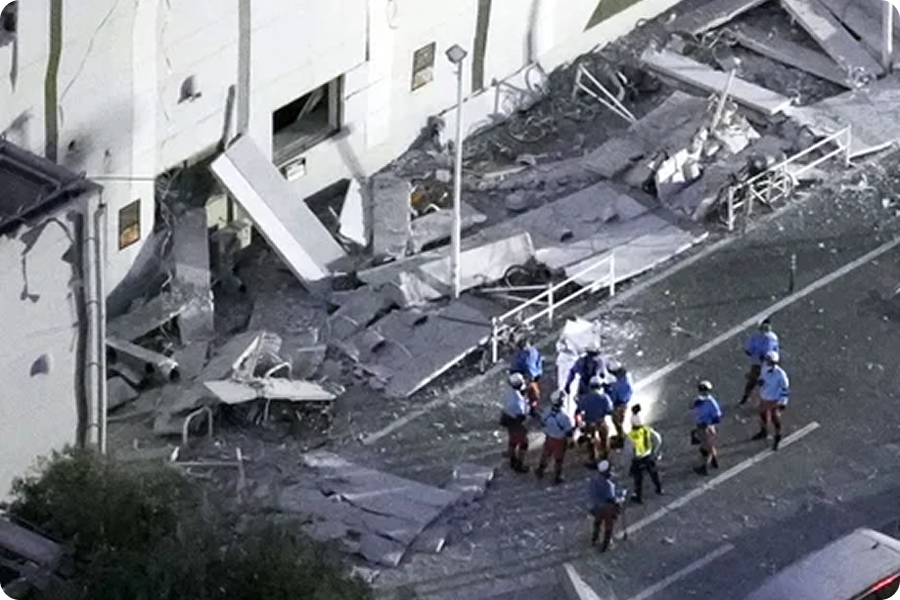
Emergency crews in Japan are continuing intensive search and rescue operations after a powerful earthquake struck the southern island of Kyushu, leaving at least 13 people dead and many others injured. Authorities are also responding to widespread damage caused by collapsed buildings, damaged roads, and ongoing aftershocks, with rescue teams working around the clock to locate people who remain trapped or missing.
The earthquake prompted large-scale emergency responses across the affected region. Thousands of residents were advised to move to evacuation centres as officials warned that aftershocks could continue over the coming days. Power outages, water supply disruptions, and transport interruptions have added to the challenges facing local communities during the recovery effort.
Rescue Operations Remain the Top Priority
Japan’s emergency services, Self-Defense Forces, firefighters, and police have been deployed to assist with rescue operations. Crews are carefully searching collapsed structures, including commercial buildings and industrial sites, where some people are believed to remain trapped.
Prime Minister Sanae Takaichi has instructed government agencies to prioritise rescue efforts and provide immediate assistance to affected communities. Authorities are also supplying emergency shelter, food, drinking water, and medical support to residents displaced by the disaster.
Aftershocks Continue to Create Risks
Seismologists have warned that strong aftershocks may continue for several days, increasing the risk of further structural damage and landslides. Residents have been advised to avoid damaged buildings and follow official emergency guidance until conditions stabilise.
Although Japan is recognised for its advanced earthquake-resistant building standards and emergency preparedness, powerful earthquakes can still cause significant disruption, particularly when they strike populated areas. Officials continue to monitor the situation closely while assessing infrastructure and public safety.
Communities Begin the Recovery Process
As rescue efforts continue, local authorities are beginning the long process of restoring essential services and supporting affected families. Engineers are inspecting buildings, transport networks, and public facilities to determine the extent of the damage before repairs can begin.
The disaster serves as another reminder of Japan’s exposure to seismic activity and the importance of emergency preparedness. While communities focus on recovery, national and local agencies remain committed to protecting residents and responding to any further developments.
We hope you found this article informative and gained valuable insights into this developing event. Stay with Find NZ for more breaking news, global updates, practical information, and community stories that matter to Kiwis. Explore more articles on Find NZ and stay connected with the latest developments from New Zealand and around the world.