
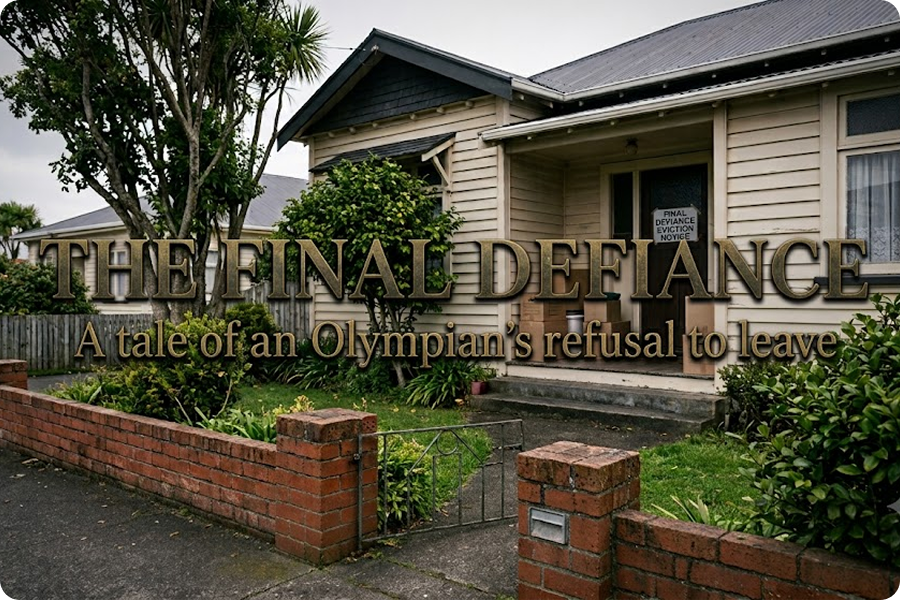
A property dispute involving former Football Fern and Olympian Kristy Hill has escalated after a High Court ruling ordered occupants to give possession of an Auckland house to its new owner.
The dispute centres on a large Blockhouse Bay property that was sold through a mortgagee sale for $800,000. Despite the sale being completed, Hill and another occupant remained at the property, leading the purchaser to seek a court order for possession.
Dispute Follows Mortgagee Sale
The property on Bolton Street covers about 3,100 square metres and includes a five-bedroom house, swimming pool and tennis court. Hill and Ivan Iraia had jointly owned the property since 2022.
Bank of New Zealand put the property up for mortgagee sale earlier this year. Samantha Home Ltd, a company owned by developer Samnang Ros and his wife, Sreylen, purchased it for $800,000.
However, the change in ownership did not lead to an immediate handover.
Before settlement, Ros contacted Hill about the expected completion of the sale. Hill disputed the validity of the transaction and said proceedings were before the Māori Land Court. She also indicated that the occupants had not made arrangements to leave.
High Court Orders Possession
After the occupants remained at the property, Ros sought legal assistance to gain possession.
The matter eventually reached the High Court. At a hearing on September 24, Justice James MacGillivray ruled that Hill and the other occupants were unlawfully occupying the property and that the purchaser was entitled to possession and to exclude others from it.
Hill and Iraia were also ordered to pay $25,245 in legal costs.
Despite the ruling, the property was still occupied when Ros spoke to Stuff. The purchaser said further enforcement action, potentially involving a court bailiff, might be necessary.
Why the Property Sale Became Complicated
The dispute highlights a less obvious issue surrounding mortgagee sales.
Buying a property does not necessarily guarantee that the purchaser will immediately have physical access to it. The circumstances surrounding possession can depend on the sale agreement, the property’s occupants and any legal proceedings that follow.
Ros told Stuff that he had offered help with finding alternative accommodation. He also said people visiting the property had encountered difficulties and that he had not been able to properly inspect the inside of the house. These are the purchaser’s claims and should be distinguished from findings made by the court.
The property’s condition and future use are also uncertain. Ros has considered development options, including additional dwellings, but no firm plans have been confirmed.
A Wider Lesson for Property Buyers
Mortgagee sales can sometimes appear attractive because properties may sell below prices associated with ordinary transactions. However, buyers need to understand the conditions attached to the purchase and the potential challenges surrounding vacant possession.
Questions about access, inspection, existing occupants, and legal rights can become particularly important when purchasing a property through a mortgagee sale.
This case is therefore about more than a former athlete refusing to leave a house. It also shows how a completed property transaction can become complicated when ownership changes but physical possession remains disputed.
What Happens Next
The High Court has ruled that the purchaser is entitled to possession, but the property dispute may require further enforcement before the new owner can take full control of the house.
For the occupants, the court decision marks a significant point in the dispute. For the purchaser, the focus now turns to securing possession and deciding what to do with the property.
Property disputes can involve complex legal and financial issues, particularly when mortgagee sales are involved. Find NZ brings readers useful property stories and information that help explain the issues behind New Zealand’s changing housing landscape.