
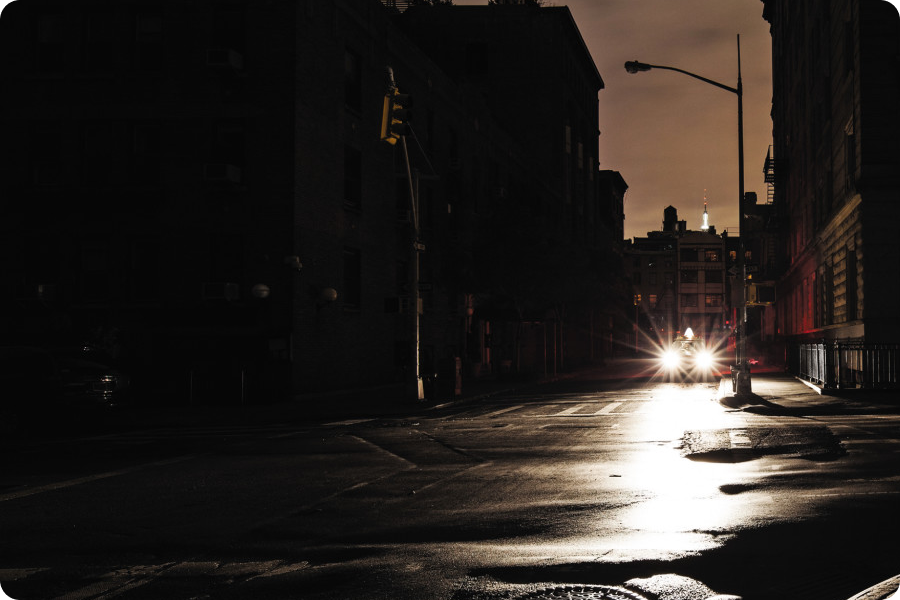
Wild Weather and the Real Reason Power Goes Out
In New Zealand, some of the most common power cuts happen when the weather turns rough. Strong wind, heavy rain, and sudden cold snaps can put real pressure on electricity lines, especially in areas where networks run through trees, hills, or open farmland.
During wild conditions, outages often occur because:
- Gale-force winds knock branches into power lines, cutting supply instantly
- Storm rain softens the ground, making trees or poles more likely to fall
- Lightning strikes can damage transformers and local equipment
- Coastal weather brings salt and moisture, affecting exposed infrastructure
- Snow and ice add weight to overhead lines, particularly in colder South Island areas
New Zealand’s rugged landscape and fast-changing climate mean electricity networks face challenges that can’t always be avoided, even with ongoing upgrades. When storms roll through, repair crews sometimes need to wait until conditions ease before work can safely begin.
A sudden power cut can throw a household off balance in seconds. One moment everything runs as normal, and the next the lights, heating, and internet disappear. Across New Zealand, outages can happen at any time, and the best approach is to stay calm and think practically.
Take a Breath Before Doing Anything
The first few minutes matter. Instead of rushing, pause and check what’s happening around you. If the whole street is dark, it’s likely a wider interruption. If it’s only your home, it may be something as simple as a switch or circuit that needs attention.
Staying level-headed helps you make safer choices straight away.
Create Light Without Creating Risk
Dark rooms can quickly become hazardous. The safest move is to grab a torch, phone light, or rechargeable lamp. Open flames might seem like an easy backup, but they bring extra danger when visibility is low, especially if children or pets are around.
Keep Food and Warmth Sorted
Power cuts often feel worse in winter or during wet weather. If the house starts cooling down, rugs, blankets, and extra layers make a real difference.
In the kitchen, treat the fridge and freezer like an insulated box. The more you open the door, the faster cold air escapes, so it’s best to leave it closed until power returns.
Look After Your Devices and Home Setup
When electricity comes back on, it doesn’t always return smoothly. Sudden surges can affect electronics, so switching off or unplugging valuable items is a smart step.
A simple trick is leaving one lamp on, so you’ll notice immediately when the supply is restored.
Outside, Assume the Worst
After storms or strong winds, damage can sit unseen. Anything that looks like a fallen line or broken electrical equipment should be treated as dangerous, even if it seems quiet.
Distance is safety. Reporting hazards helps crews respond faster without putting locals at risk.
Community Makes the Difference
Power cuts can feel isolating, especially for older neighbours or people living alone. A quick check-in, a shared torch, or even just a friendly word can help the whole street get through it more easily.
New Zealanders often handle these moments best when people look out for one another.
Staying Across Updates
Outages shift quickly depending on weather and repair work. Keeping an eye on reliable local reporting can help you stay informed without unnecessary worry.
It means a lot that you took the time to read through this guide. For continued local preparedness insights and community-focused coverage across Aotearoa, stay connected through trusted updates available on the Find New Zealand platform.