
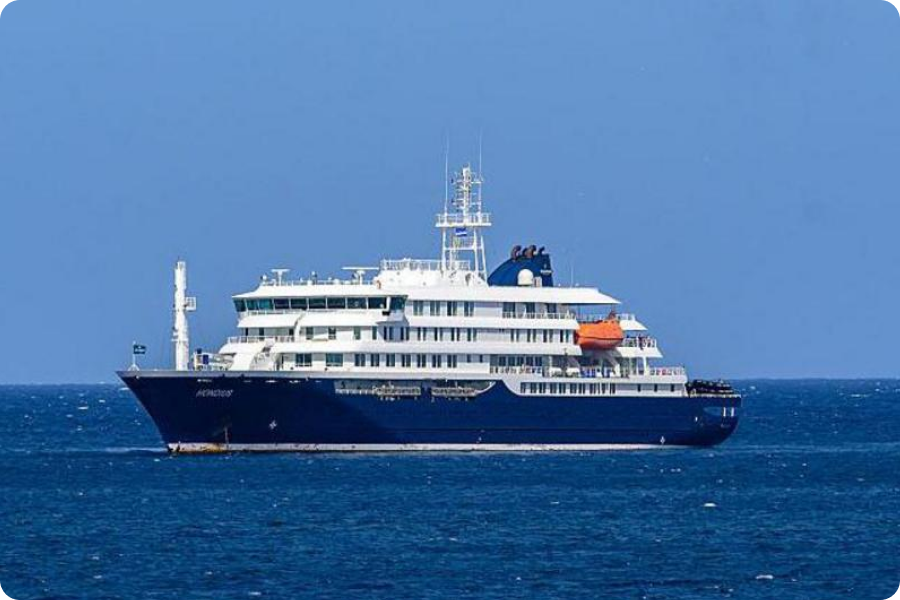
Suspected Hantavirus Outbreak Investigated After Deaths on Atlantic Cruise
Health authorities have launched an urgent investigation after three passengers died during a transatlantic voyage, with a suspected hantavirus outbreak on a cruise ship now under close scrutiny. The incident has prompted heightened monitoring and international coordination as officials work to confirm the cause.
The cases developed mid-journey, where several passengers began reporting symptoms, including fever, fatigue, and breathing difficulty. Onboard medical teams responded quickly, isolating affected individuals and activating emergency health protocols while alerting global health agencies.
Investigation Expands Across Vessel
Authorities are examining all possible sources of exposure as they work to determine whether hantavirus is responsible. The virus is commonly associated with contact with rodents or contaminated surfaces, particularly in enclosed environments.
Inspection teams have focused on storage zones, ventilation systems, and cargo areas where contamination risks may arise. Samples from affected passengers and shared spaces are undergoing laboratory testing, with results expected to guide the next phase of response.
Medical Response and Containment Measures
Cruise operators have intensified health and safety procedures across the vessel. Measures currently in place include:
- Isolation of symptomatic passengers and close contacts
- Continuous health screening for all onboard
- Increased sanitation of cabins and public areas
- Use of protective equipment by medical staff
- Coordination with international maritime health authorities
Passengers have received regular updates and guidance, with reassurance that containment steps aim to minimise further spread while investigations continue.
Understanding Hantavirus Risk
Hantavirus infections remain rare but can lead to serious respiratory complications. Transmission typically occurs through inhalation of particles from rodent droppings or urine, rather than direct person-to-person spread in most cases.
Health experts note that cruise ships, while highly regulated, present unique challenges due to shared facilities and prolonged close contact among passengers. Early detection and rapid isolation remain key to controlling potential outbreaks.
Impact on Travel and Cruise Industry
The incident has raised fresh concerns around health preparedness in the cruise sector. Operators worldwide are likely to review safety protocols, particularly regarding onboard hygiene, storage management, and emergency response systems.
Travellers with upcoming cruise plans may see stricter health checks and enhanced safety messaging as the industry responds to the situation.
What Happens Next
Authorities will continue monitoring all passengers and crew until the source of the illness is confirmed. Further updates are expected once laboratory results are finalised and health agencies complete their assessment.
The case serves as a reminder of the importance of vigilance during international travel, especially in shared environments where illness can spread quickly if not contained early.
For more global health updates and travel safety news, readers can explore Find New Zealand for ongoing coverage and insights from around the world.