
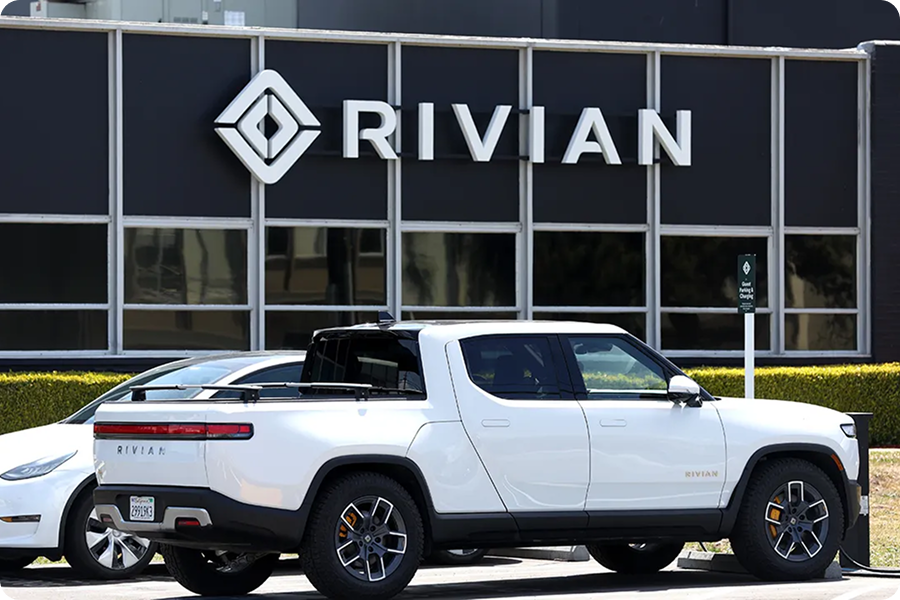
Electric vehicle manufacturer Rivian has announced a new round of job cuts just days after unveiling its latest EV model, highlighting the ongoing challenges facing the global electric vehicle industry. The move comes as automakers continue balancing growth ambitions with cost management, competitive pressures, and changing consumer demand.
The company has attracted significant attention in recent years for its innovative electric trucks and SUVs, positioning itself as one of the key challengers in the rapidly evolving EV market. However, despite continued product development and expansion efforts, Rivian remains focused on improving operational efficiency as it works towards long-term profitability.
Cost Pressures Continue Across the EV Sector
The decision to reduce staffing levels reflects broader trends affecting many electric vehicle manufacturers. While demand for EVs continues to grow globally, companies are facing increased competition, fluctuating production costs, and economic uncertainty in several key markets.
Automakers are also investing heavily in research, battery technology, manufacturing facilities, and software development. These significant expenses have led many companies to review their operations and identify opportunities to reduce costs while maintaining product innovation.
Industry analysts note that workforce reductions have become increasingly common across the technology and automotive sectors as businesses adapt to changing market conditions and investor expectations.
New Vehicle Launch Signals Long-Term Strategy
Despite the job reductions, Rivian’s recent vehicle launch demonstrates the company’s commitment to expanding its product range and attracting new customers. The latest model is expected to play an important role in Rivian’s future growth plans by targeting a broader section of the EV market.
Many manufacturers are shifting focus towards more affordable electric vehicles as they seek to increase adoption among mainstream consumers. Expanding product offerings can help companies reach new customer groups while strengthening their position in an increasingly crowded marketplace.
The launch also highlights the complex balancing act facing modern automakers, where investment in future products must often be managed alongside efforts to control operating expenses.
EV Industry Enters a New Phase
The electric vehicle market has experienced rapid growth over the past decade, but industry experts believe the sector is now entering a more mature and competitive phase. Success is increasingly dependent on efficient production, strong supply chains, technological innovation, and sustainable financial performance.
Companies that were once focused primarily on expansion are now placing greater emphasis on profitability and operational discipline. This shift reflects changing investor priorities and the realities of competing in a market where consumers have more choices than ever before.
While workforce reductions can be difficult for affected employees, many businesses view such decisions as part of broader restructuring efforts aimed at supporting long-term stability and growth.
Looking Ahead
Rivian remains an important player in the global electric vehicle industry, and its latest vehicle launch demonstrates continued confidence in the future of EV adoption. However, the recent job cuts serve as a reminder that even fast-growing companies face challenges as markets evolve.
As competition intensifies and consumer expectations continue to change, automakers will need to balance innovation, affordability, and financial sustainability. The coming years are likely to play a crucial role in determining which companies emerge as long-term leaders in the electric vehicle sector.
Staying informed about developments in technology, business, and innovation helps readers understand the trends shaping the future. Find NZ delivers news, insights, and informative stories from New Zealand and around the world, helping Kiwi readers stay connected to the issues that matter.