
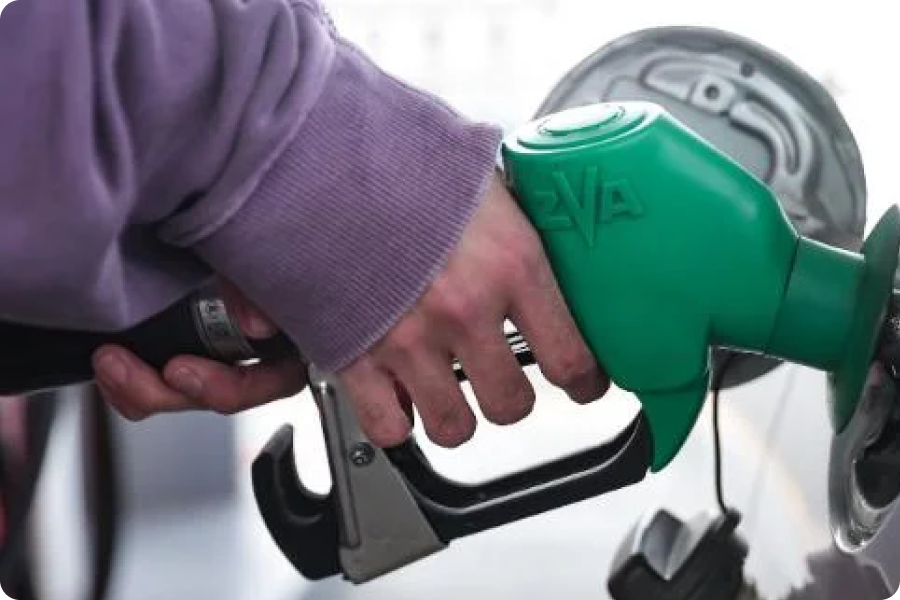
Fuel costs have climbed sharply across New Zealand, with the average price of 91 petrol rising above $3 per litre. The increase has triggered concern among motorists and businesses as the cost of transport continues to rise nationwide.
Fuel price tracking service Gaspy reported that the average price for 91 petrol has jumped about 20 percent since the beginning of March, rising from roughly $2.50 per litre to above $3 in many areas. Petrol stations around the country have also seen more drivers filling their tanks as prices continue to climb.
Global Conflict Driving Oil Costs Higher
Industry analysts link the price spike to global supply concerns, particularly rising tensions in the Middle East. The conflict has disrupted shipping routes through the Strait of Hormuz, a key passage for global oil shipments that handles roughly 20 percent of the world’s oil supply.
Any disruption to this route can quickly push international oil prices higher, which in turn raises petrol costs for countries that rely heavily on imported fuel, including New Zealand.
Government Response Under Consideration
Finance Minister Nicola Willis said the government is monitoring the situation closely and assessing whether any response may be needed. She noted that sharp fuel price increases can significantly affect the cost of living, particularly for people who rely on their cars for work or daily travel.
However, Willis rejected suggestions to temporarily cut fuel excise taxes, saying such measures would be too broad and may not effectively target households most affected by rising costs.
Debate Over Electric Vehicle Subsidies
The finance minister also defended the government’s decision to remove the electric vehicle rebate scheme, which previously offered incentives to buyers of electric cars. Critics have argued that ending the programme removed a tool that could help drivers reduce their reliance on petrol during periods of high fuel prices.
The rebate programme had aimed to encourage low-emission vehicles but was scrapped in 2023 by the coalition government as part of wider transport policy changes.
Impact on Businesses and Households
Businesses that depend heavily on fuel, including transport operators and tourism companies, say the rapid increase is already squeezing operating margins. Some operators warn they may eventually need to pass the higher costs on to customers if prices remain elevated.
Economists also note that sustained fuel price increases can ripple through the wider economy by raising freight costs and pushing up the price of everyday goods.
For more updates on fuel prices, economic trends, and national developments affecting New Zealanders, readers can explore Find New Zealand for the latest reports and insights.