
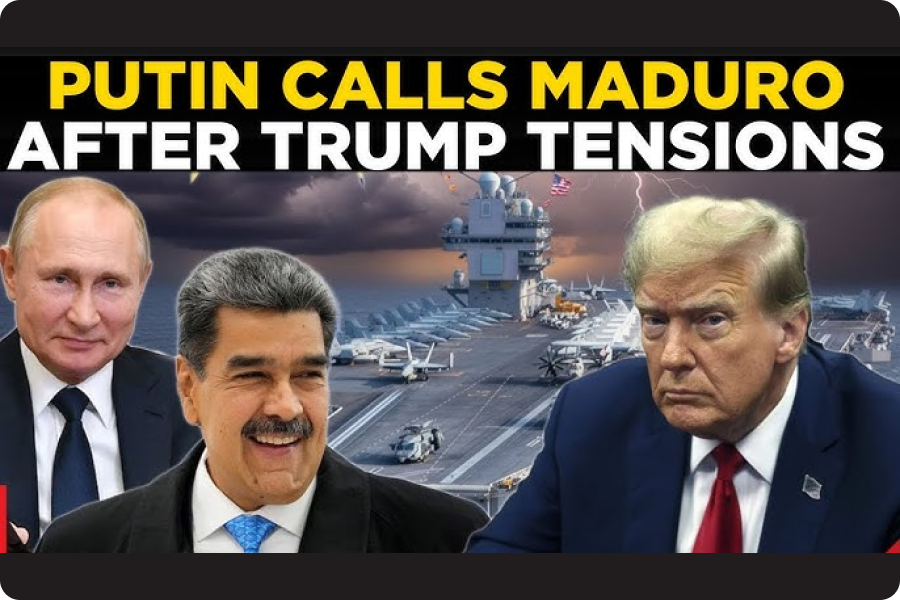
A growing international debate has unfolded after the United States conducted a bold military operation in Venezuela, leading to the capture of President Nicolás Maduro. Legal experts, world leaders and advocacy groups are questioning whether the U.S. action violated established rules of international law.
International Law Under Scrutiny
The United Nations Charter forbids the use of force against another country’s sovereignty unless it has Security Council approval. The right of self-defence applies, or the host government consents. Analysts say none of these legal grounds clearly existed for the U.S. operation. It making it difficult to justify under international law.
Oxfam later condemned the intervention as a breach of international law. Arguing it undermines peace, democracy and human rights in a region already grappling with humanitarian crises. The organisation emphasised that lasting solutions must emerge from within Venezuela and through peaceful diplomatic channels.
Reaction from World Capitals
Numerous governments have responded sharply. Malaysian Prime Minister Anwar Ibrahim described the U.S. action as a “clear violation” of international law and called for Maduro’s release, urging respect for sovereignty and peaceful engagement.
Across Latin America and beyond, several nations expressed concern that the military operation could set a dangerous precedent. Some condemned the use of force outright and emphasised that disputes must be resolved through dialogue and legal frameworks, not unilateral military action.
China’s government, calling the move a threat to peace and security, said it “violates international law” and undermines regional stability. European governments also voiced worries, stressing that actions affecting another state’s leadership must adhere to legal norms.
Implications for International Order
Legal scholars warn that disregarding the UN Charter’s restrictions on force could embolden similar actions elsewhere, weakening the rules-based order that underpins global relations. Some argue the incident highlights tensions between enforcing human rights and respecting sovereign law, forcing countries to re-examine how international law applies in crises.
What This Means Moving Forward
The debate over legality and precedent continues as international bodies, including the UN, weigh responses. Governments with strong legal traditions emphasise that global disputes must be settled through peaceful negotiation and respect for established norms. The outcome of these discussions will shape diplomatic relations and influence how future crises are managed.
Appreciate you following this global update.
Keep an eye on reputable sources about New Zealnad for ongoing coverage of international law debates and world affairs that connect back to regional interests and stability.